-
Tiny Builders of the Mangroves
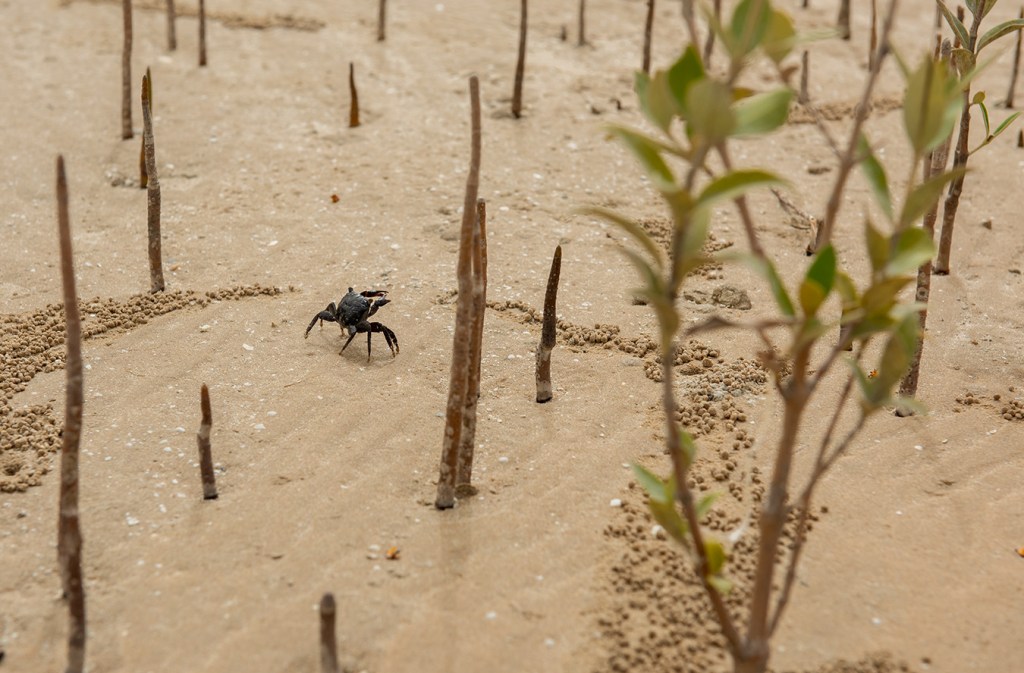
Have you ever walked through a mangrove forest and noticed tiny holes in the mud and lots of little round balls scattered around?
Let’s discover the amazing story behind them and meet one of the mangrove’s smallest but most important heroes, the mangrove crab.
Crabs: Nature’s Eco-Engineers
Some animals don’t just live in nature; they help build it. These animals are called eco-engineers.
Mangrove crabs are eco-engineers because:
- They dig burrows deep into the muddy ground
- These burrows allow air and water to reach mangrove roots
- This helps mangrove trees grow healthy and strong
- Their digging mixes the soil, spreading nutrients everywhere
Just like engineers build roads and tunnels for people, crabs build tunnels that help the entire mangrove ecosystem.
Why Do Crabs Leave Little Mud Balls?
Those tiny balls you see on the mud are not waste; they are signs of life
Here’s what the crab does:
The crab scoops muddy sand into its mouth
It eats the tiny food inside, like algae and plants
The leftover mud is rolled into a small ball
The crab places these balls outside its burrow
These mud balls show us that:
- The soil is rich and healthy
- Crabs are busy cleaning and recycling nature
- The mangrove is a living, breathing home
A Small Crab, A Big Job
Even though mangrove crabs are small, their work makes a big difference. Every burrow they dig and every mud ball they leave behind helps keep the mangrove forest alive.
So next time you visit a mangrove, look closely; you might spot these tiny builders at work!
Nature is full of heroes… Sometimes they just have claws!
-
The Amazing Journey of a Grey Mangrove Seed
Have you ever wondered how a tiny seed can grow into a mighty tree that protects the coast?
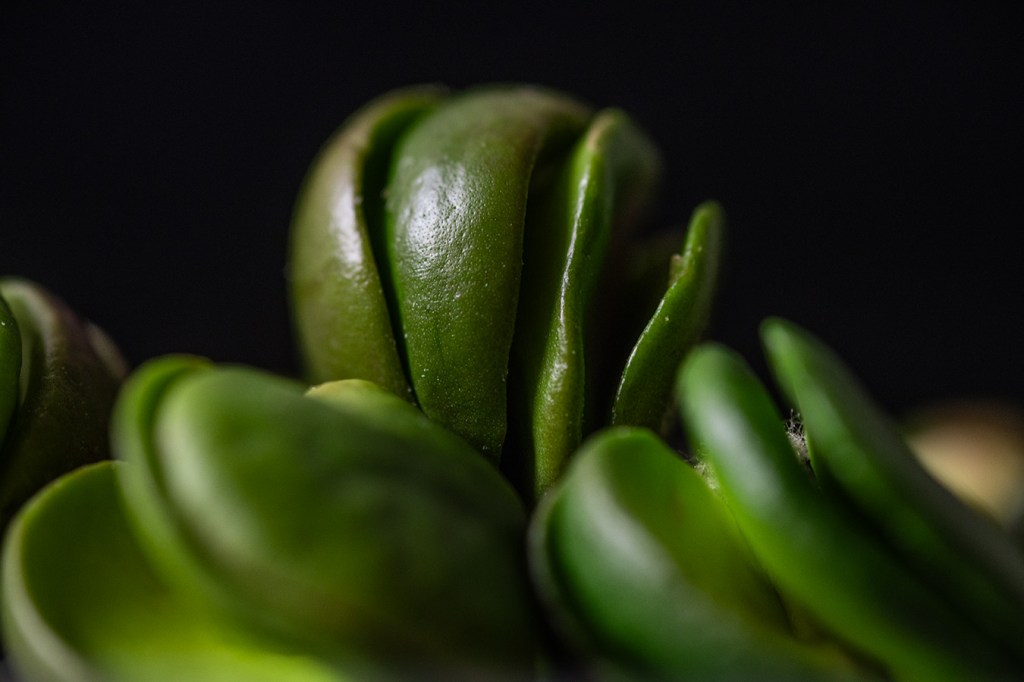
Floating Futures: How Grey Mangrove Seeds Engineer Ecosystems- A close-up view of a Grey Mangrove seed called a propagule; which germinates while still attached to the parent tree. Upon reaching maturity, these seeds detach and float to new locations where they take root and grow into new mangrove plants. Vidhyaa Chandramohan/National Geographic Society This is a grey mangrove seed (Avicennia marina), found in the UAE and other coastal areas. Grey mangroves are special because they can live in salty water and withstand strong tides.
The seed has a fascinating way of spreading: when it falls from the tree, it can float on water, carried by the tides to new areas where it can grow. This floating ability is called dispersal, and it helps mangroves colonize new shores. Once the seed lands in a safe spot with muddy soil, it can take root and grow into a new tree, continuing the life cycle.
Key Facts:
- Grey mangroves help protect the shoreline from erosion.
- They act as natural water filters, cleaning sediments and pollutants.
- Mangroves store carbon and help fight climate change.
- Each seed has the potential to grow into a tree that supports birds, crabs, fish, and other wildlife.
- Mangrove forests are home to many creatures and are vital for coastal ecosystems.
Watching a grey mangrove seed up close is like seeing nature’s tiny superhero ready to float, survive, and grow into a tree that protects the environment
Grey Mangrove Seed – Key Facts
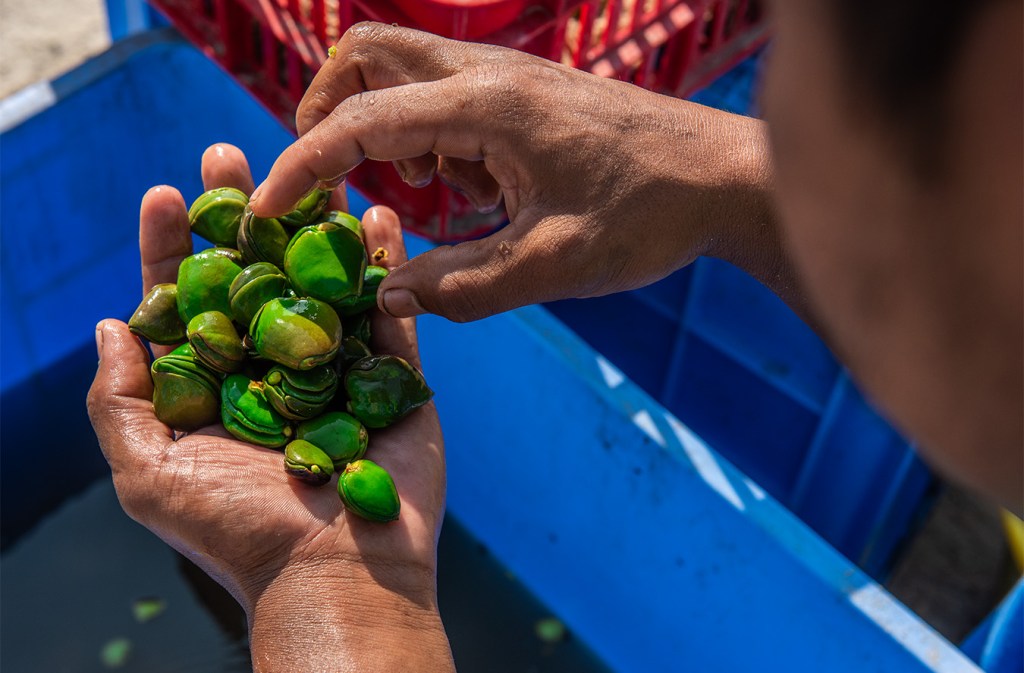
Seeds of Tomorrow: The Nature for Environmental and Agricultural Solutions team is meticulously selecting germinated mangrove seeds for their drone seedling initiative. This effort highlights their unwavering commitment to advancing mangrove conservation through cutting-edge technology, ensuring a bright future for Abu Dhabi’s mangroves.Vidhyaa Chandramohan/National Geographic Society - Viviparous: The seed begins to germinate while still attached to the parent tree, making it a tiny baby tree before it falls.
- Float and Travel: Seeds can float on water for weeks, helping mangroves spread along the coast.
- Salt Tolerance: Seeds can survive in salty water, thanks to the parent tree filtering out salt.
- Unique Shape: Their elongated, cylindrical shape helps them float upright in water, increasing survival chances.
- Rapid Rooting: Once they reach muddy soil, they sprout roots quickly to anchor themselves.
- Tiny Habitat: Seeds provide micro-habitats for small organisms like crabs and insects.
- Climate Protectors: Each seed can grow into a tree that stores carbon, protects coastlines, and supports wildlife.
-
Abu Dhabi Highlights the Vital Role of Grey Mangroves in Coastal Protection and Climate Action
Abu Dhabi, UAE — When most people picture the Middle East, they imagine vast deserts and glittering skylines. Yet, along its coastlines thrives an unsung ecological hero the grey mangrove (Avicennia marina). These resilient trees are more than just greenery; they are lifelines for biodiversity, climate resilience, and shoreline protection.
Environmental experts and advocates are calling for urgent action to protect these ecosystems, which face mounting threats from development and climate change.

Key Facts About Grey Mangroves
- Only Native Species in the Arabian Gulf: Grey mangroves are the sole native mangrove species in the region.
- Adapted to Extremes: They survive scorching heat and high salinity.
- Salt-Excreting Leaves: Unique adaptation to saline waters.
- Breathing Roots: Pneumatophores allow oxygen intake during tidal submersion.
- Carbon Champions: Store up to four times more CO₂ than tropical forests.
- Biodiversity Hotspots: Provide shelter for fish, crustaceans, migratory birds, and turtles.
- Under Threat: Coastal development, pollution, and overgrazing are shrinking habitats.
- Restoration Efforts: Millions of mangroves planted across the Gulf region.
“Mangroves are important for the next generation. Through photography and storytelling, we can inspire people to care and take action to protect these coastal guardians.”
Call to Action
Authorities and environmental groups urge residents and visitors to appreciate these coastal guardians and support conservation efforts.
Share awareness campaigns and participate in restoration projects because Mangroves Matter.
Leave a comment
-
Pledging to Protect Our Planet
Community Comes Together on Environment Day to Take a Pledge and Protect Our Planet

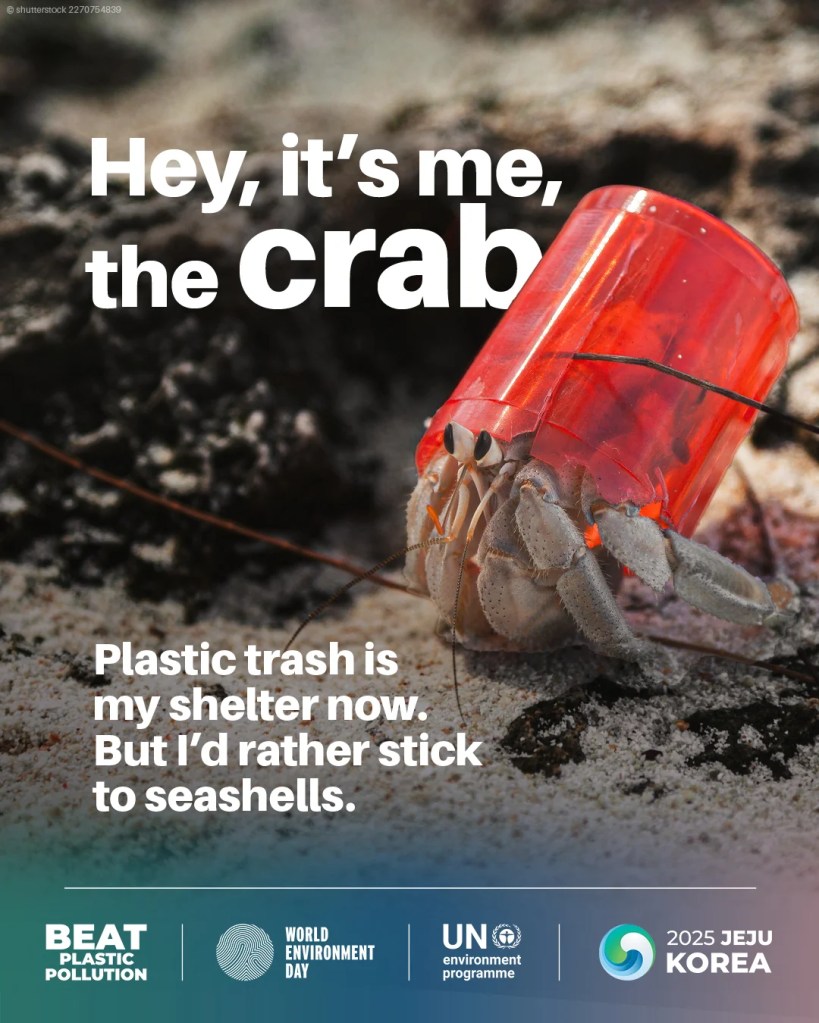
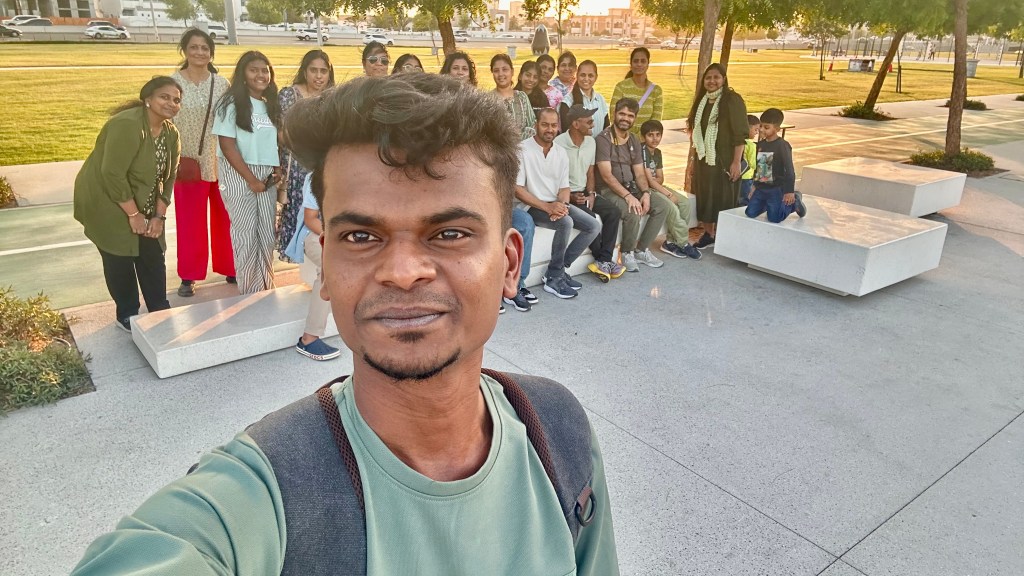
On Environment Day, friends, families, and community members gathered to take a heartfelt pledge: to Beat Plastic Pollution and protect our environment. The event was a meaningful opportunity to come together, raise awareness, and commit to small but impactful actions that help preserve our planet.
During the gathering, Vidhyaa spoke about photography from a beginner’s perspective, emphasizing the importance of having a clear subject in your photos. Capturing meaningful images rather than random shots helps tell a stronger story—especially when it comes to important topics like the environment.
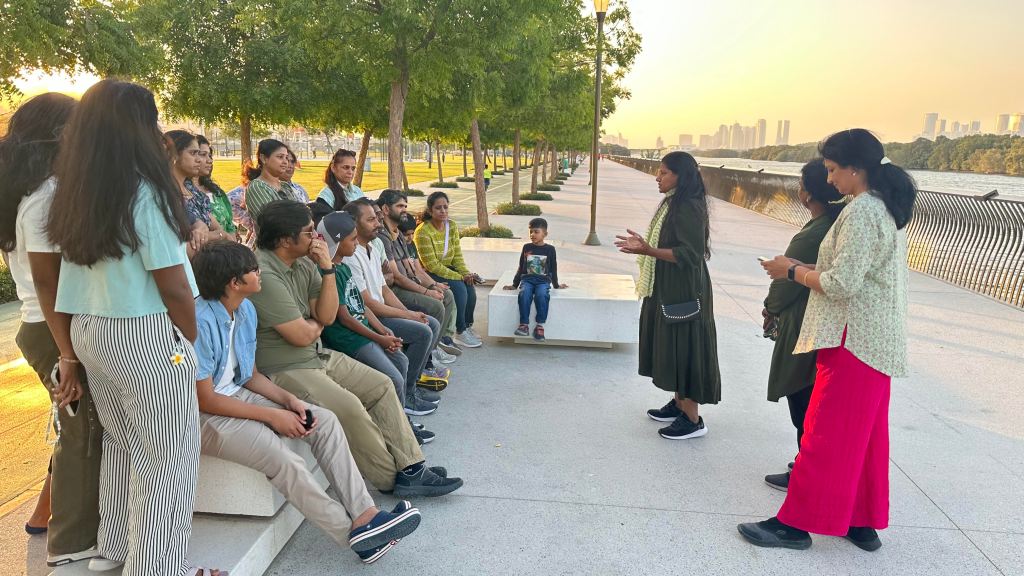
Geetha Krishnan and Ahkila Kumaran also shared valuable insights about the environment, deepening our understanding of the challenges we face and inspiring us to take action.
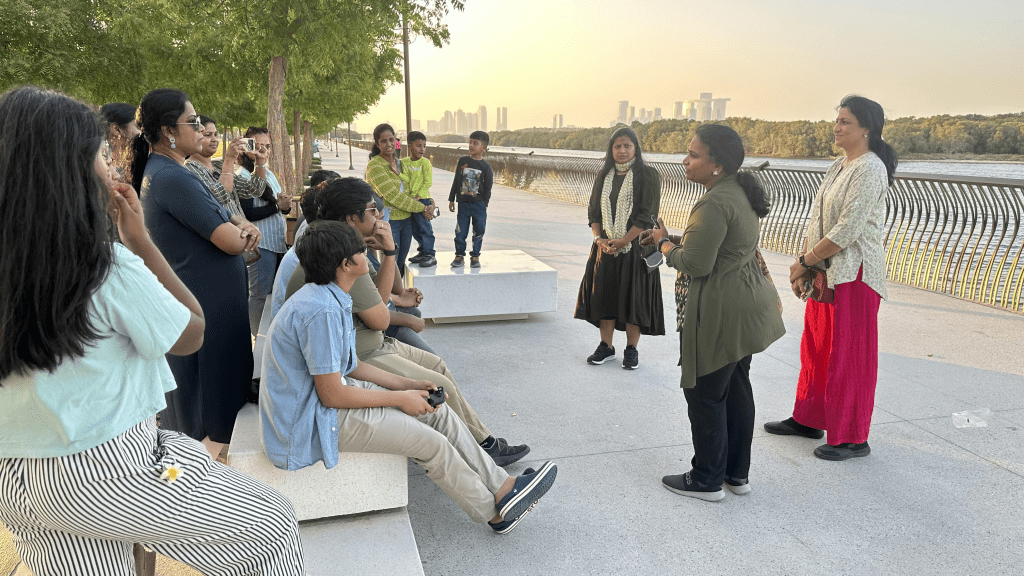
Meanwhile, Divya Chandrasekaran engaged the group with an insightful quiz on environmental topics, making the event both fun and educational. Her questions sparked thoughtful conversations and helped raise awareness about how each of us can contribute to protecting our planet.
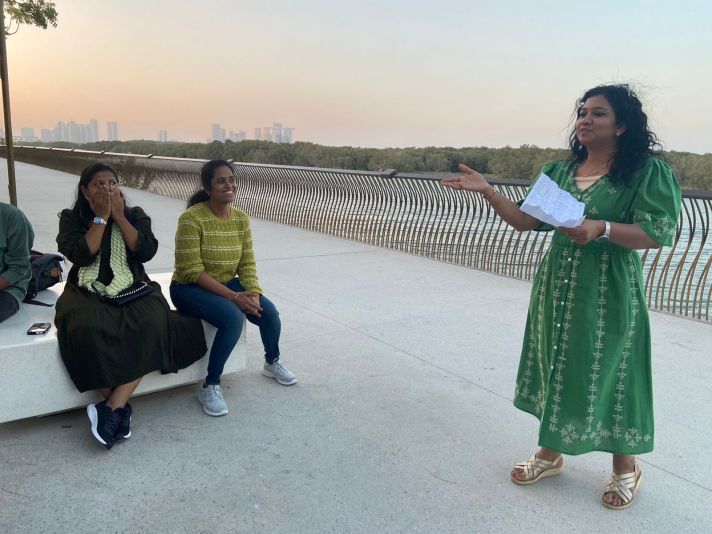
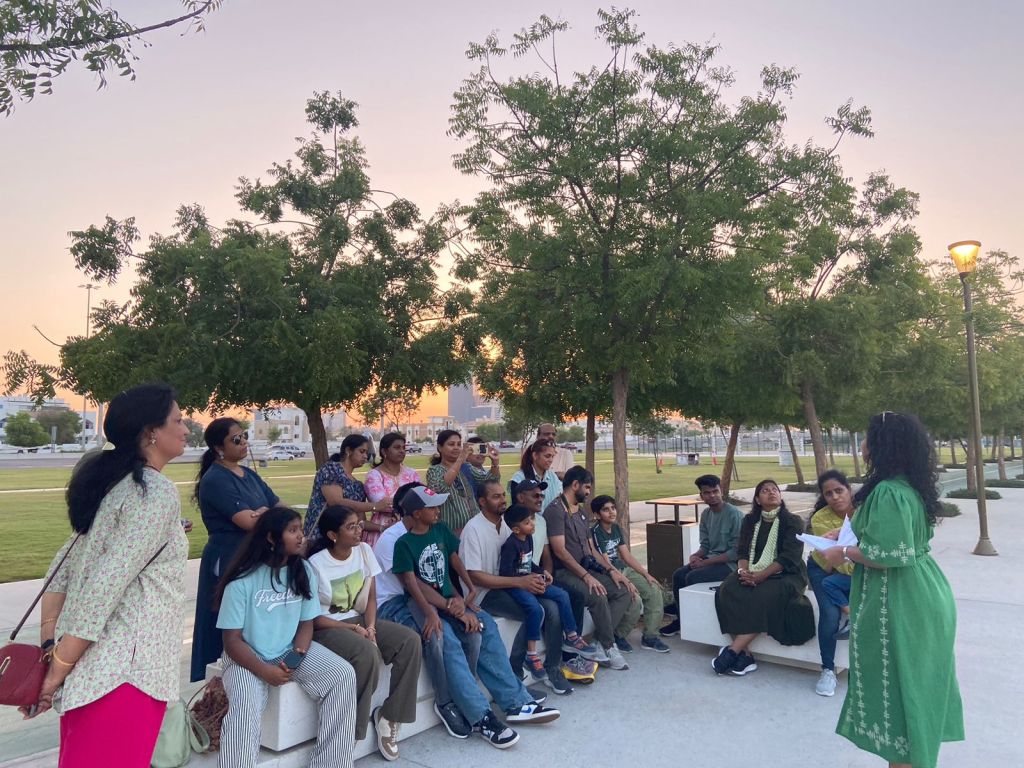
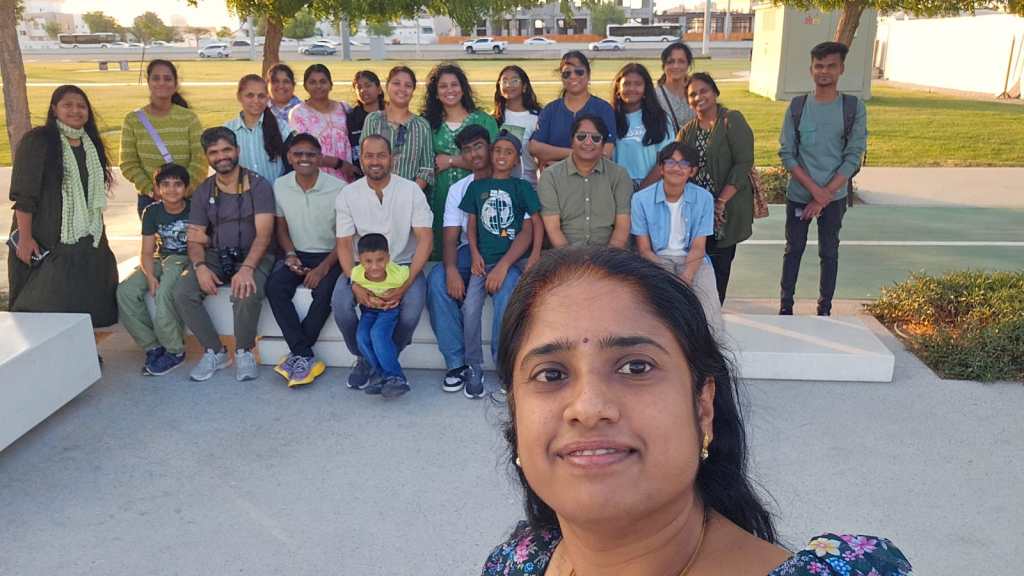
We were also privileged to hear from Dr. Ranjani, who shared expert insights on why protecting the environment is vital for our health and future. She highlighted simple but effective steps we can all take, such as reducing plastic use, conserving water, and adopting sustainable habits in daily life.
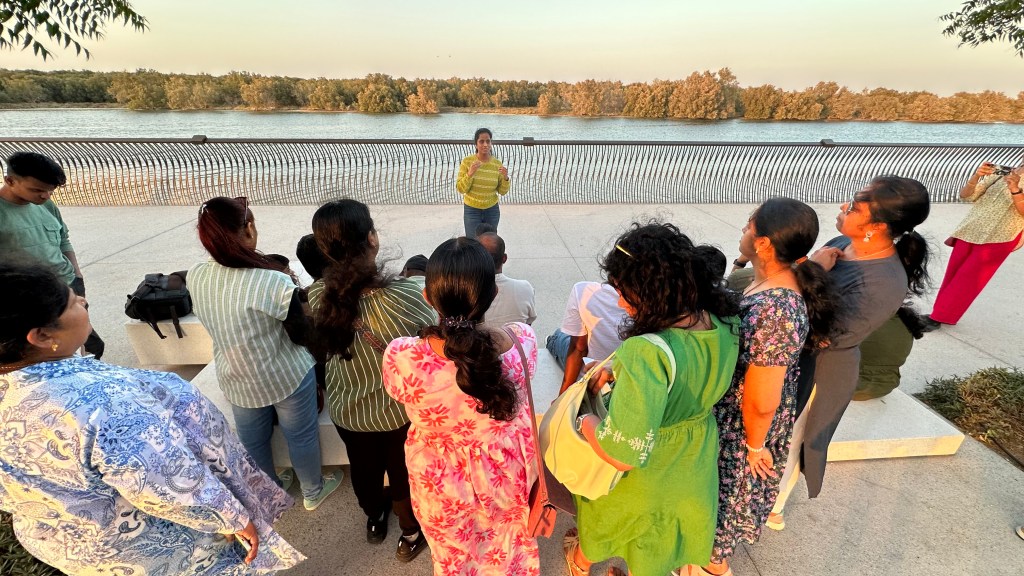
A big thanks to Aslan Mohammed for supporting the team by capturing these special moments through his photography.
Why Following Through Matters
Taking a pledge is just the first step. Following through by reducing plastic waste, conserving water, and protecting natural resources ensures that our environment stays healthy for generations to come. Small actions like avoiding single-use plastics, turning off taps when not in use, and supporting eco-friendly products can collectively lead to significant positive change.
Together, as a community, we can create a cleaner, greener future. Let’s continue to spread awareness, support each other, and take care of our planet every single day.
Messages from United Nations officials for World Environment Day 2025

-
No Planet B: Why the Earth Needs Us Now
The Earth Speaks — Are We Listening?
World Environment Day Message 2025 🌱
This World Environment Day, let’s remember: the planet doesn’t need saving; we do. Every forest, ocean, mangrove, and species we lose takes us further from balance and survival. But every action, no matter how small, brings us closer to hope.

Grey Mangrove
Photography by Vidhyaa ChandramohanNature speaks. Rising heat, vanishing habitats, and changing tides tell us we must act now. We can respond through the lens of a camera, the beat of a drum, or the hands of a child planting a seed.
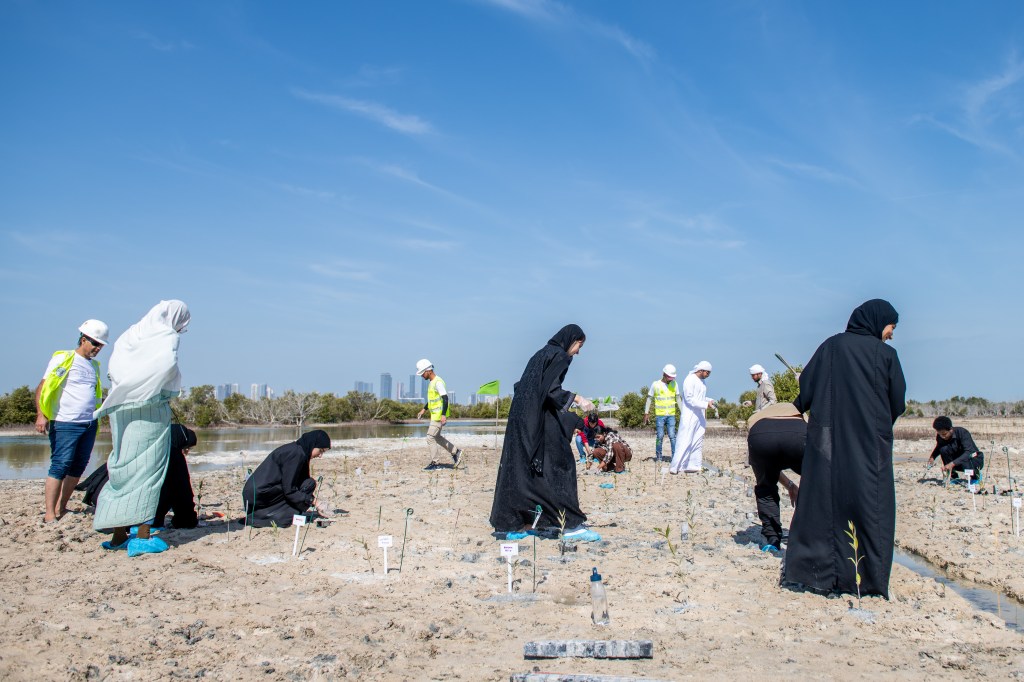
With Nature for Agriculture, Abu Dhabi, UAE, Photography by Vidhyaa Chandramohan Let’s not wait for change. Let’s be the change in our homes, our communities, and our stories. When we protect the Earth, we protect our future.
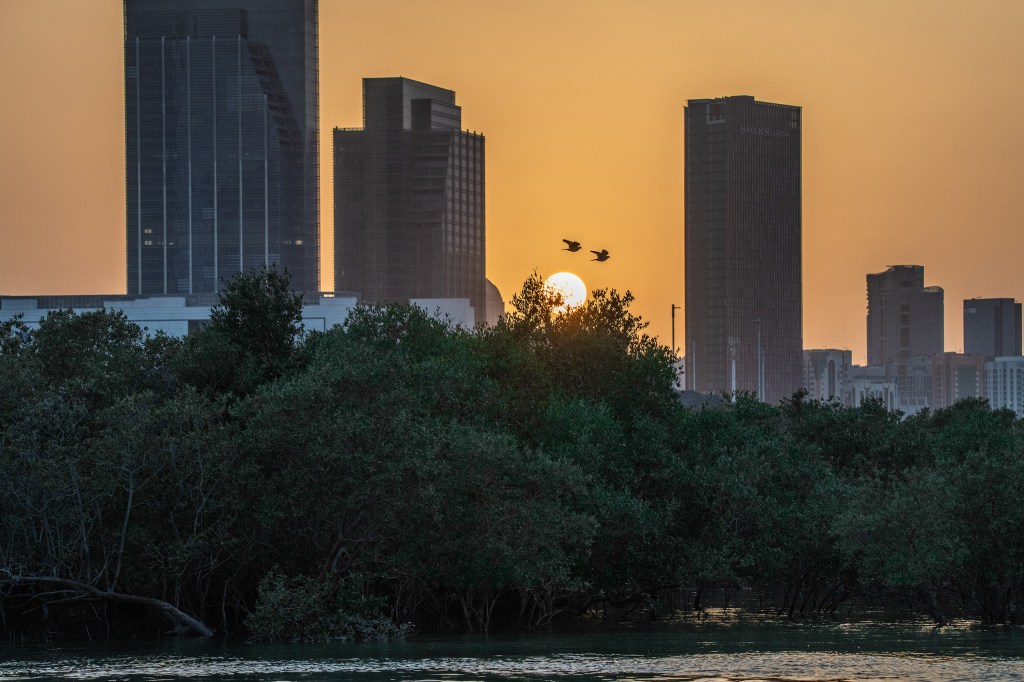
Reem Island , Abu Dhabi, UAE, Photography by Vidhyaa Chandramohan Protect. Restore. Respect.
There is no planet B — only the one we choose to fight for today. -
Not a Photographer, Just a Witness: Why Mangroves Matter
Mangroves and Me: An Unspoken Connection
Why do you take photos of mangroves?
Because mangroves don’t have a voice, but they protect ours. They shield coastal communities from storms, filter water, store carbon, and support marine life. A single photo can spark curiosity, and curiosity leads to action.
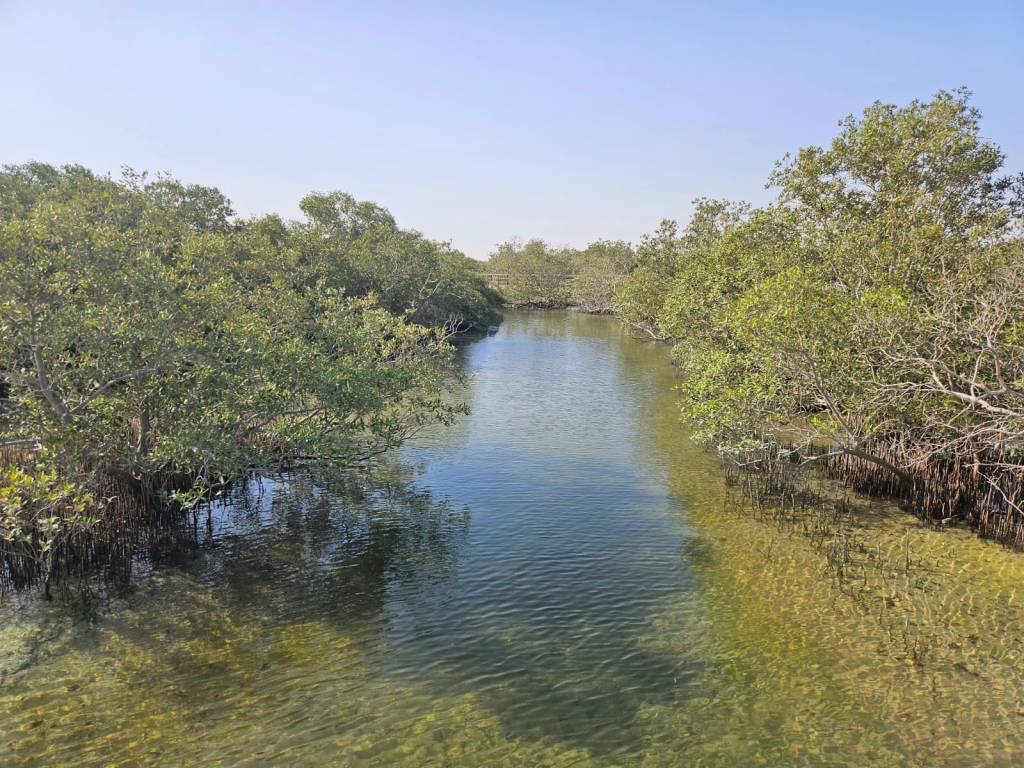
Photographed Credit: Ijay and Valarmathi You’re not a professional; how can your photos make a difference?
You don’t need a title to care. I use my photos to show the beauty and importance of what we’re at risk of losing. Sometimes, one honest photo reaches hearts more than a thousand facts.
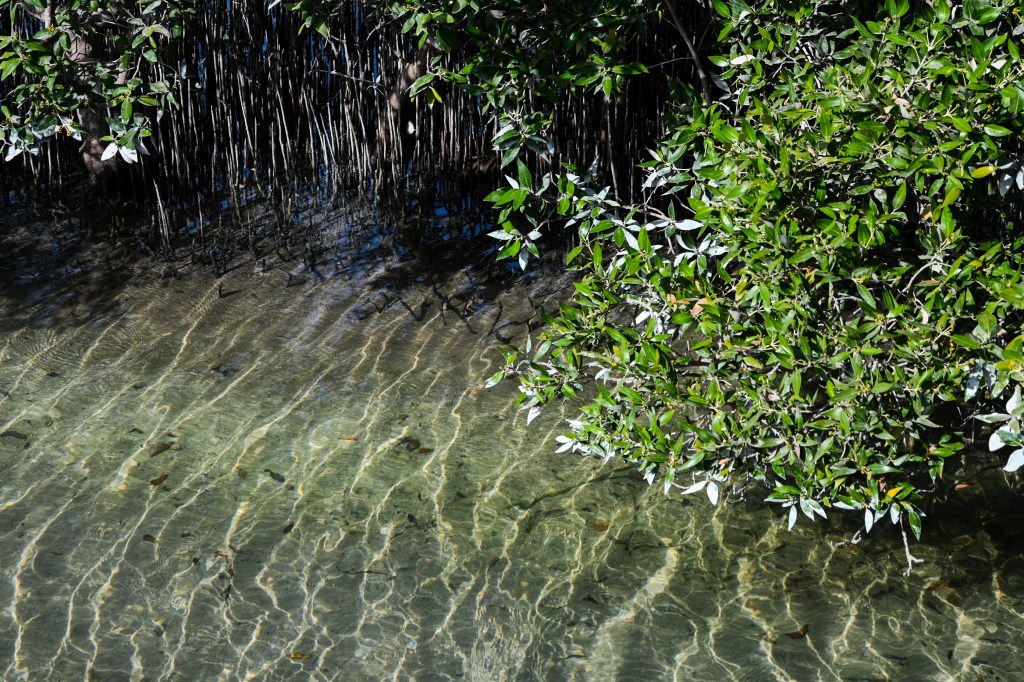
Photographed Credit: Ijay and Valarmathi What’s so special about mangroves anyway?
Mangroves are natural superheroes. They fight climate change by absorbing carbon, provide homes for wildlife, and act as natural barriers against floods and erosion. Lose them, and we lose protection, biodiversity, and a key ally in climate resilience.

Photographed Credit: Ijay and Valarmathi Why should people care about mangroves they’ve never seen?
Because what happens to mangroves affects us all. They’re global carbon sinks and climate stabilizers. Whether you live by the ocean or in a city, their survival is tied to your future.

Photographed Credit: Ijay and Valarmathi What inspired you to start taking these photos?
Stillness and strength. Mangroves thrive in harsh conditions and quietly support life all around them. I wanted to capture that beauty and resilience and maybe help others see it before it’s gone.
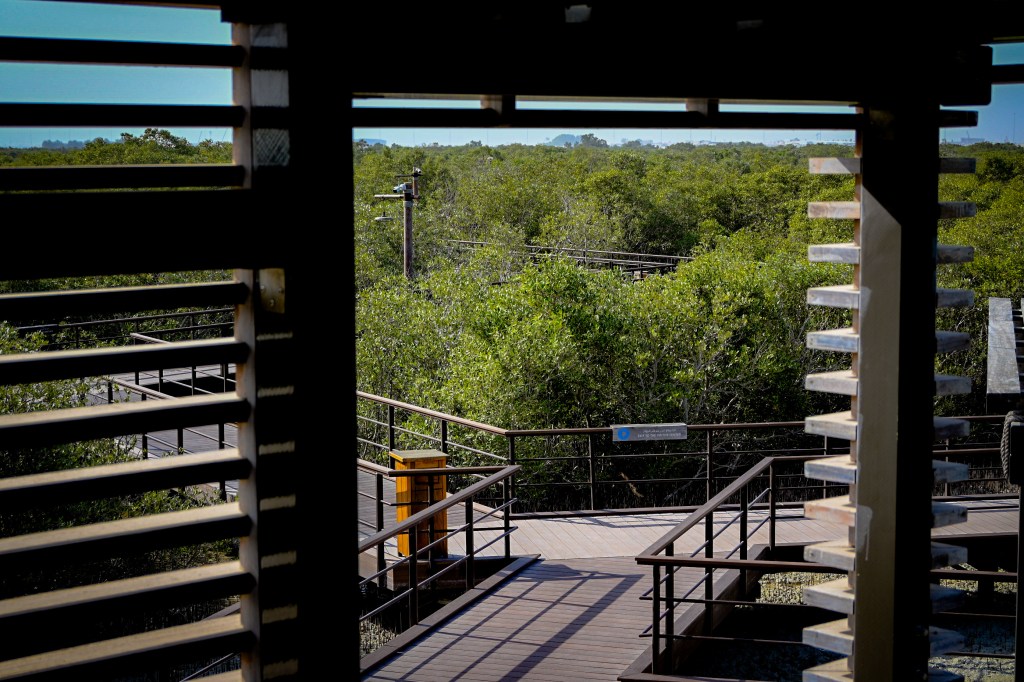
Photographed Credit: Ijay and Valarmathi Even small actions matter. Learn about local mangroves, support conservation efforts, or just share the message. The more people know, the more likely we are to keep these ecosystems alive.
All images were taken during the Jubail Photowalk, Abu Dhabi, UAE. We thank Nikon Middle East for the camera and Jubail Mangrove Park.
-
Voices for the Mangroves: How Small Actions Lead to Big Change
How Every Individual and Community Can Support Mangroves:
Mangroves are often called the “guardians of the coast.” They protect our shorelines, nurture biodiversity, and store carbon, playing a crucial role in the fight against climate change. You don’t need a camera to make a difference; everyone can play a part in safeguarding these vital ecosystems.
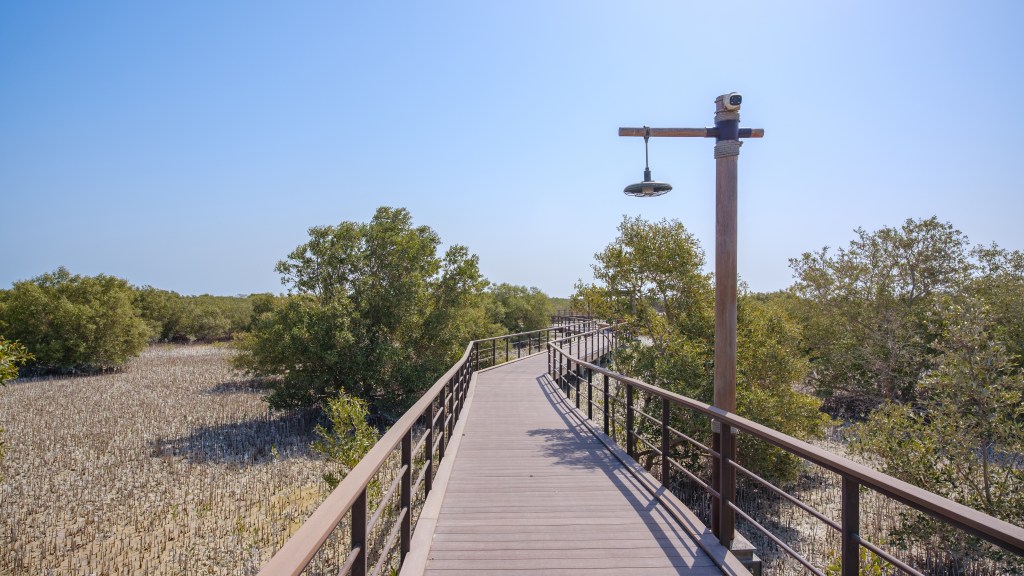
Jubail Mangrove Park, Abu Dhabi, UAE, Photograph by Syed Umar Farook Community Power: How We Can Support Mangroves Together
1. Get Involved Locally
Join or organize community clean-ups in mangrove areas. Removing trash and invasive species helps mangroves thrive and shows others that these places matter.2. Participate in Planting Initiatives
Many organizations host mangrove planting days. Volunteering for these events is a hands-on way to restore degraded areas and learn about the ecosystem.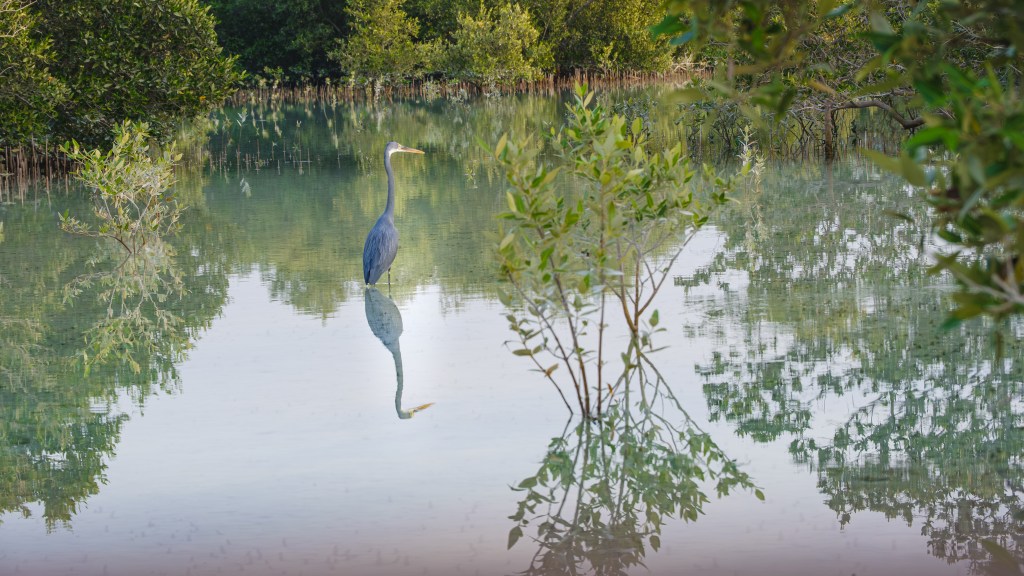
3. Support Conservation Groups
Donate to or volunteer with groups working to protect mangroves. Your time, skills, or financial support can help fund research, education, and restoration projects.4. Advocate for Protection
Talk to local leaders about the importance of mangroves. Support policies that protect coastal habitats from development and pollution.No Camera? No Problem: How Anyone Can Make an Impact
You don’t need to be a photographer or scientist to be a champion for mangroves. Here’s how you can help:

A fiddler crab emerges from its burrow in the sandy mud of the mangrove ecosystem, highlighting the rich biodiversity these habitats support.
Jubail Mangrove Park, Abu Dhabi, UAE, Photograph by Syed Umar Farook- Educate Yourself and Others: Learn about mangroves and share their story with friends, family, and your community. Awareness is the first step toward action.
- Lead by Example: Reduce your use of single-use plastics and dispose of waste responsibly to prevent pollution in mangrove areas.
- Support Sustainable Choices: Choose products and seafood that are harvested sustainably, helping to reduce pressure on mangrove ecosystems.
- Use Your Voice: Speak up on social media, at community meetings, or in schools. Your voice can inspire others to care and act.

Close-up of grey mangrove (Avicennia Marina) flowers in bloom, photographed by Divya Chandrasekar. The Power of One: Creating a Ripple Effect
Every individual action matters. When you pick up litter, plant a sapling, or share a fact about mangroves, you create a ripple that can inspire others. This is where the power of your voice comes in—by speaking out, sharing stories, and leading by example, you can spark a movement that grows far beyond yourself.
Remember:
You don’t have to be an expert or an artist to make a difference. The most powerful change often starts with one person deciding to care—and then acting on it.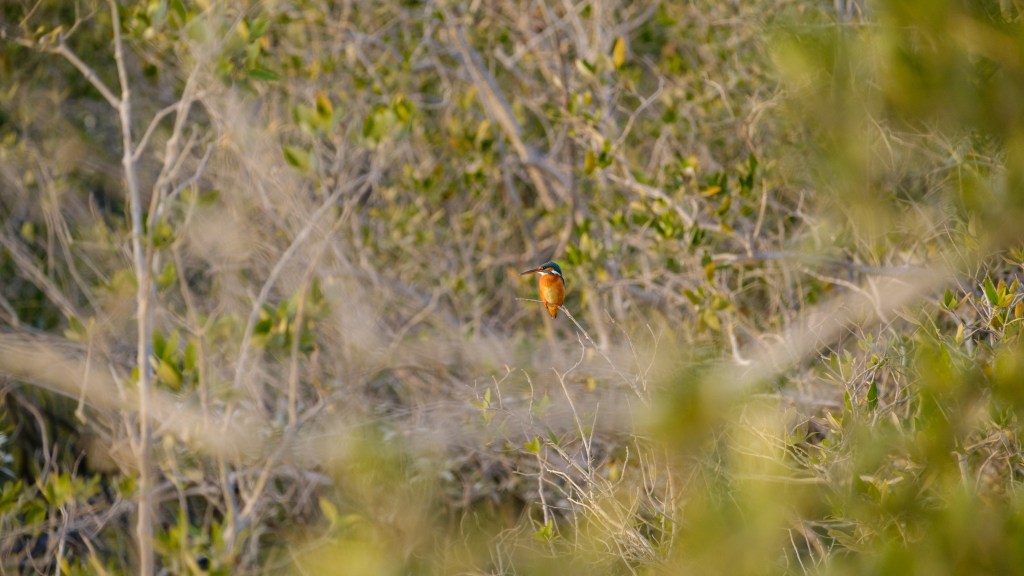
A flash of color in the mangroves is a reminder of the vibrant life these ecosystems shelter. Jubail Mangrove Park, Abu Dhabi, UAE, Photograph by Syed Umar Farook
Let’s all use our voices, hands, and hearts to protect the mangroves so that future generations can walk beneath their shade and witness their beauty, just as we do today.
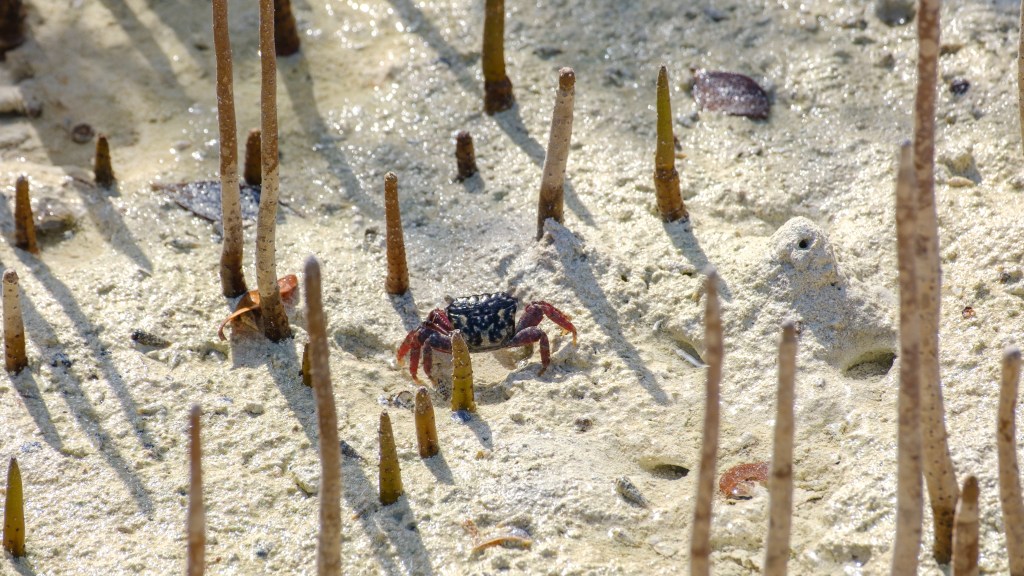
Protecting mangroves means preserving life for today and tomorrow, Jubail Mangrove Park, Abu Dhabi, UAE, Photograph by Syed Umar Farook #MangroveConservation #CommunityImpact #VoiceOfChange #ProtectNature #Sustainability #TogetherWeCan
-
The Golden Canopy: A Reminder of Nature’s Fragile Beauty
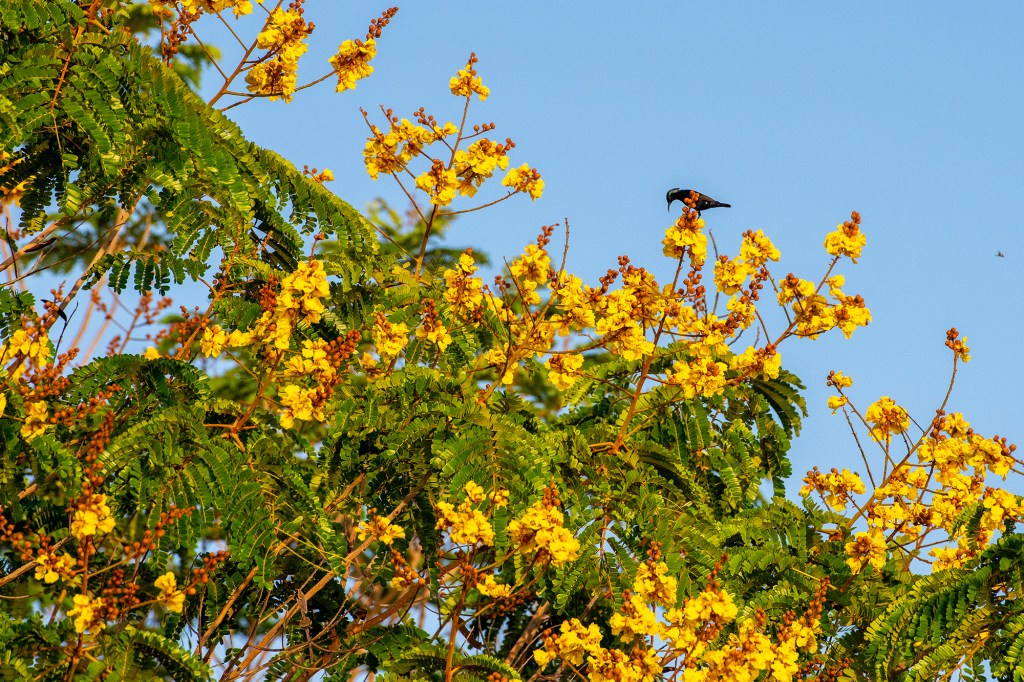
Photographed by Vidhyaa Chandramohan at Eastern Mangroves, Abu Dhabi, UAE The Golden Canopy: A Reminder of Nature’s Fragile Beauty
There are moments in nature that seem almost too perfect to be real—a golden morning, a sky painted blue, and a tree crowned with vibrant yellow blossoms. In the heart of the Eastern Mangroves, I recently witnessed such a scene: sunlight streaming through the feathery leaves of a flowering tree, each cluster of yellow blooms glowing with life. Perched delicately among the blossoms, a small bird paused, perhaps searching for nectar or simply enjoying the tranquility.
A Symphony of Life
This image is more than just a beautiful photograph. It’s a snapshot of the delicate balance that sustains our natural world. The tree, with its radiant flowers, provides food and shelter for countless insects and birds. The bird, in turn, helps pollinate the flowers, ensuring the cycle of life continues. Even the tiniest bee or fluttering butterfly plays a vital role in this intricate web.
Why We Must Protect Nature
Scenes like this are becoming increasingly rare. Around the world, natural habitats are disappearing at an alarming rate cleared for development, polluted by waste, or altered by climate change. Every time we lose a tree, a patch of wildflowers, or a species of bird, we lose a piece of the puzzle that keeps our planet healthy and vibrant.
Nature is not just a backdrop for our lives; it is the foundation of our well-being. The air we breathe, the water we drink, and the food we eat all depend on healthy ecosystems. The beauty and peace we find in places like the Eastern Mangroves are gifts that must be cherished and protected.
Our Responsibility
Protecting nature is not just the job of governments or conservationists—it’s a responsibility we all share. Simple actions, like planting native trees, reducing waste, and supporting conservation efforts, can make a difference. By appreciating and safeguarding the natural wonders around us, we ensure that future generations will also be able to experience the magic of a golden morning under a canopy of flowers.
A Call to Action
Let this image be a gentle reminder that nature needs our protection. The next time you see a flowering tree or hear a bird singing, take a moment to appreciate the miracle before you and consider what you can do to help preserve it.
Together, we can ensure that the golden canopies of our world continue to shine for years to come.
-
Small Steps for Turtles
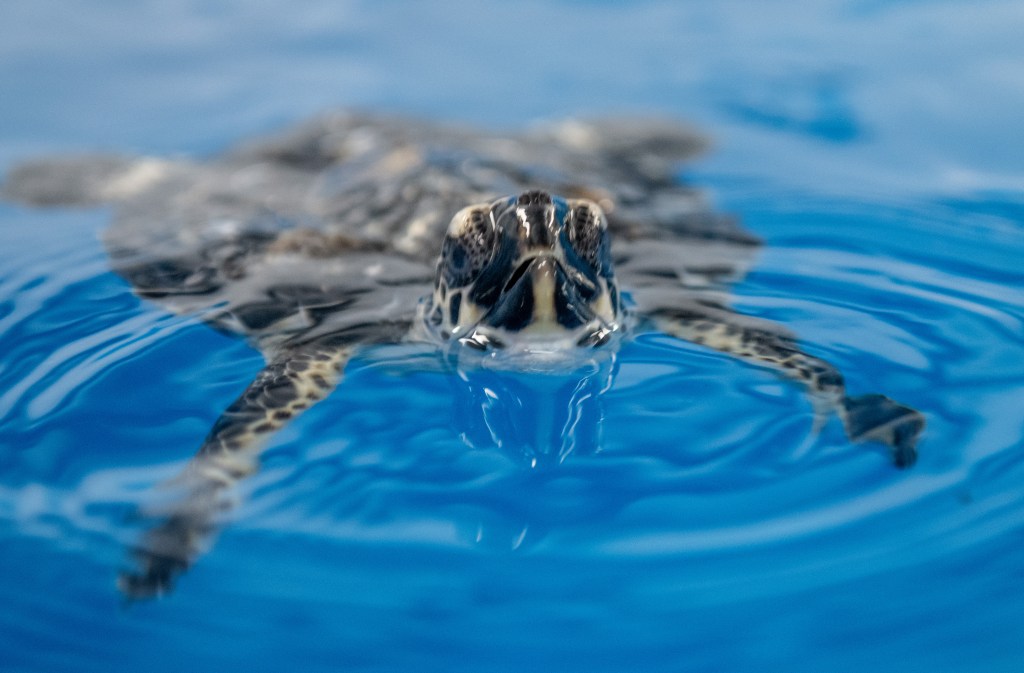
Every Day is Turtle Day: Highlighting Conservation Efforts at Dubai Rehabilitation Turtle Centre
This photograph, taken at the Dubai Rehabilitation Turtle Centre, beautifully captures the ongoing efforts to rescue, rehabilitate, and conserve endangered sea turtles. These ancient creatures have roamed our oceans for millions of years, yet today their populations are rapidly declining due to pollution, habitat loss, and human activities.
On World Turtle Day, observed every May 23, people around the globe come together to recognize the urgent need to protect sea turtles and their fragile marine environments. The Dubai Turtle Rehabilitation Project, based at iconic locations like Burj Al Arab and Jumeirah Al Naseem, plays a vital role in this mission. Through expert care and rehabilitation, the project has successfully helped many turtles recover and return safely to the wild.
A special thank you goes to Barbara Lang-Lenton for her invaluable support and dedication to this important project. Her commitment ensures that this vital conservation work continues, giving hope to these endangered species.
But protecting sea turtles is not just the responsibility of conservation centers—it’s a call to action for all of us. Everyone can take small, meaningful steps today, such as reducing plastic use, participating in beach cleanups, or simply spreading awareness about the threats turtles face. These everyday actions add up and can make a significant difference in securing the survival of sea turtles for generations to come.
Remember, every day is Turtle Day. Let’s work together to protect these magnificent creatures and the oceans they call home.


-
Subscribe
Subscribed
Already have a WordPress.com account? Log in now.
 Mangroves Matter
Leave a comment