Have you ever wondered how a tiny seed can grow into a mighty tree that protects the coast?
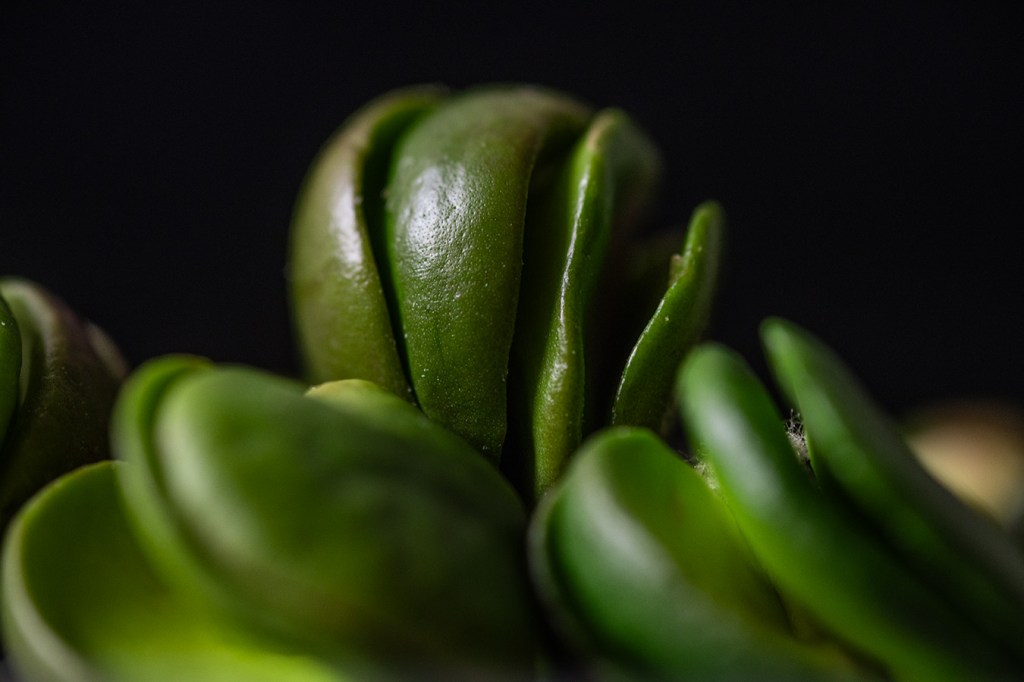
This is a grey mangrove seed (Avicennia marina), found in the UAE and other coastal areas. Grey mangroves are special because they can live in salty water and withstand strong tides.
The seed has a fascinating way of spreading: when it falls from the tree, it can float on water, carried by the tides to new areas where it can grow. This floating ability is called dispersal, and it helps mangroves colonize new shores. Once the seed lands in a safe spot with muddy soil, it can take root and grow into a new tree, continuing the life cycle.
Key Facts:
- Grey mangroves help protect the shoreline from erosion.
- They act as natural water filters, cleaning sediments and pollutants.
- Mangroves store carbon and help fight climate change.
- Each seed has the potential to grow into a tree that supports birds, crabs, fish, and other wildlife.
- Mangrove forests are home to many creatures and are vital for coastal ecosystems.
Watching a grey mangrove seed up close is like seeing nature’s tiny superhero ready to float, survive, and grow into a tree that protects the environment
Grey Mangrove Seed – Key Facts
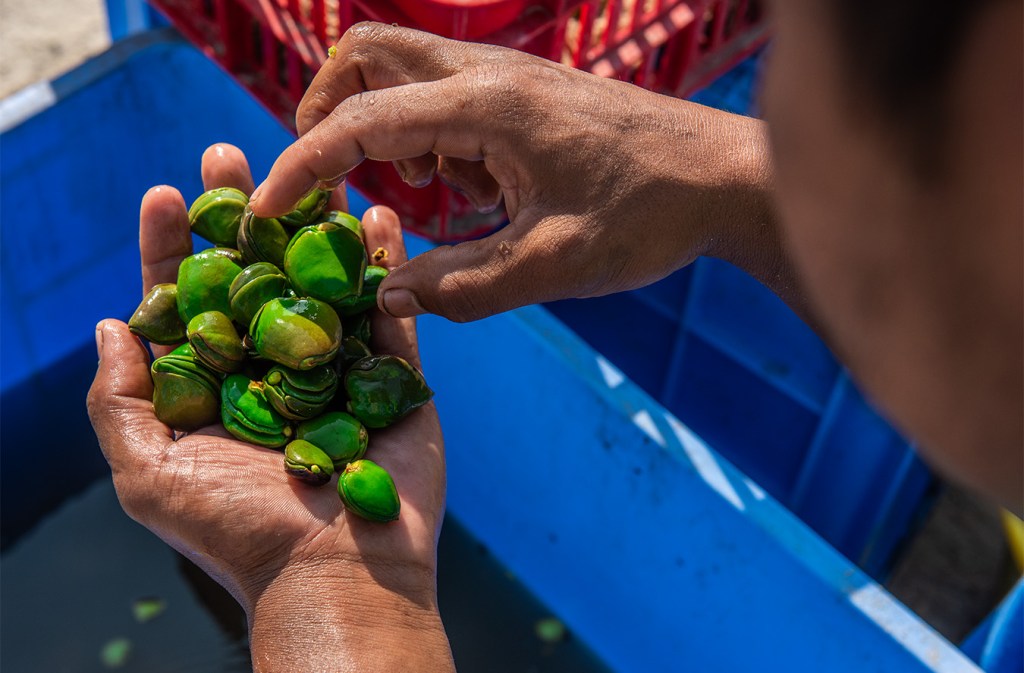
- Viviparous: The seed begins to germinate while still attached to the parent tree, making it a tiny baby tree before it falls.
- Float and Travel: Seeds can float on water for weeks, helping mangroves spread along the coast.
- Salt Tolerance: Seeds can survive in salty water, thanks to the parent tree filtering out salt.
- Unique Shape: Their elongated, cylindrical shape helps them float upright in water, increasing survival chances.
- Rapid Rooting: Once they reach muddy soil, they sprout roots quickly to anchor themselves.
- Tiny Habitat: Seeds provide micro-habitats for small organisms like crabs and insects.
- Climate Protectors: Each seed can grow into a tree that stores carbon, protects coastlines, and supports wildlife.


 Mangroves Matter
Leave a comment